Our Story
Can a fish
make a
difference?
30 years ago, we set out to reshape the seafood industry as a healthier and more sustainable part of the food system.
In college, Australis founder Josh Goldman developed one of the first aquaponics systems in a solar greenhouse attached to his dorm. This sparked a life-long journey to fulfill aquaculture’s promise to provide sustainable seafood for all.
Josh then spent three years on a global quest — raising over 30 species — searching the world to find a fish that would be a game changer.
When he discovered Barramundi, he knew he had found the one.

A bite is all it takes…
Since then, Barramundi has become the fastest growing species globally and a favorite of home cooks and chefs alike.
Our quest
We’re convinced that the right fish can improve human health while reducing the environmental impact of food production.
2004
Australis Aquaculture is founded in Turners Falls, MA.
2008
Australis establishes its Van Phong Bay, Vietnam operation.
2014
Barramundi becomes the first ocean-farmed fish to receive a Monterey Bay Aquarium Seafood Watch® Best Choice (Green) rating.
2018

Australis becomes Best Aquaculture Practices (BAP) 4-Star Certified.
Australis launches Greener Grazing, a global initiative to develop new ways of farming seaweed to combat climate change.
2021
Australis becomes the first farm certified under ASC's Tropical Marine Finfish standard.

Australis becomes Asia's first Fair Trade Certified fish farm.

Australis receives the U.S. Secretary of State's Award for Corporate Excellence in Climate Innovation.
Climate-smart ocean farming
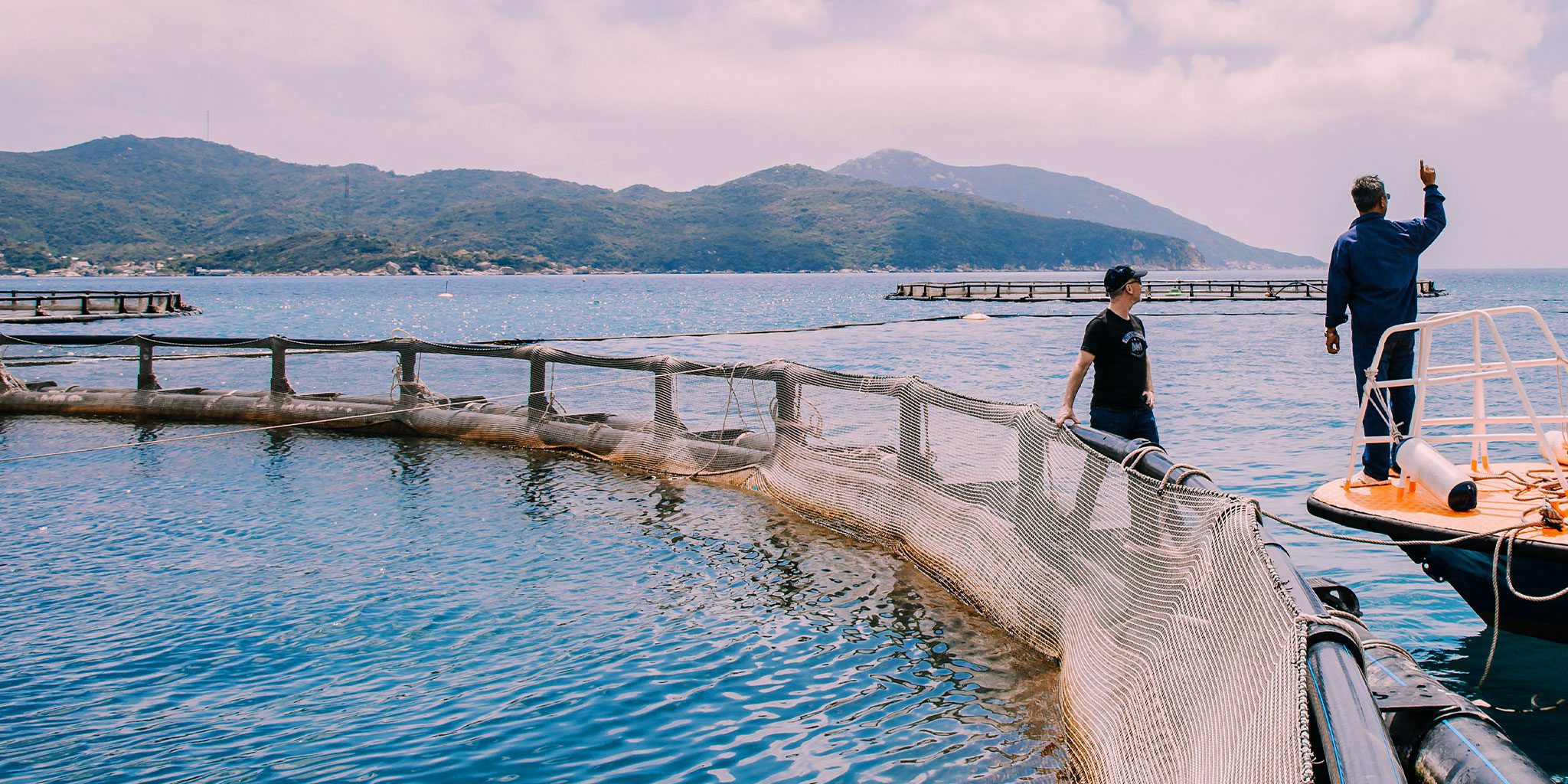
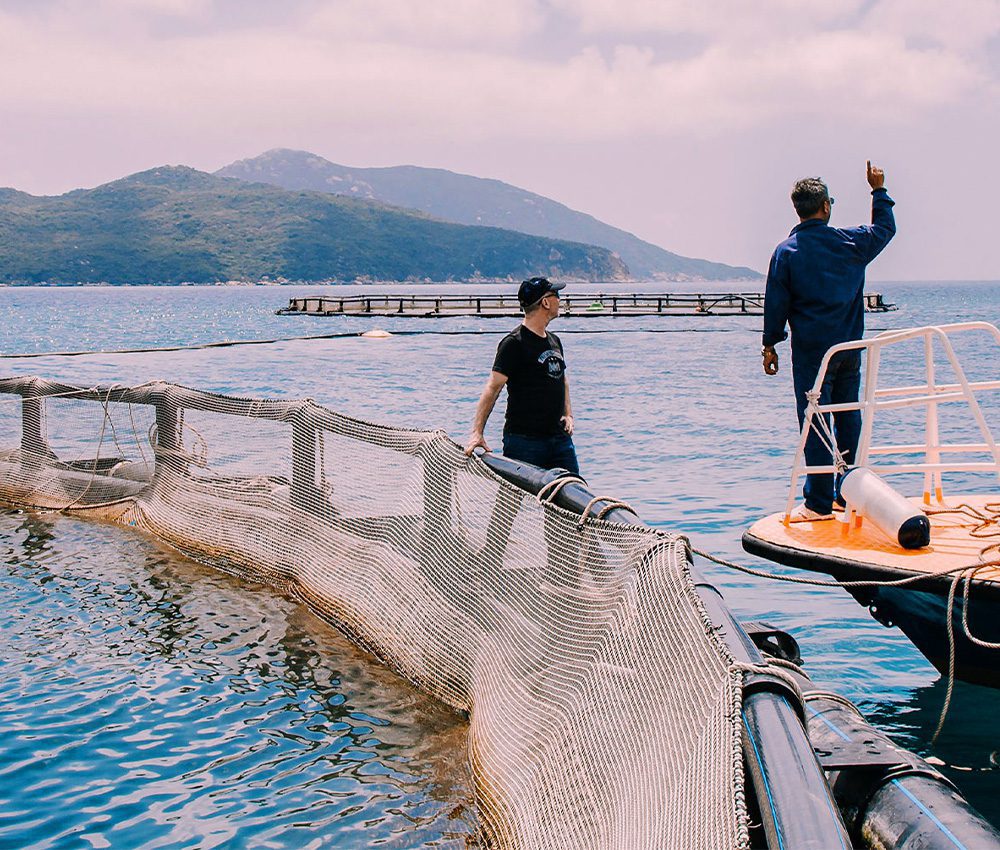
Barramundi is the product of a new model of sustainable aquaculture. We pioneered climate-smart ocean farming in the marine tropics to raise the best fish imaginable in the most responsible way possible.
Meet The Better Fish® team
With over 330 employees, we are an ambitious group of engineers, scientists, farmers, and foodies who are passionate about building a better planet.
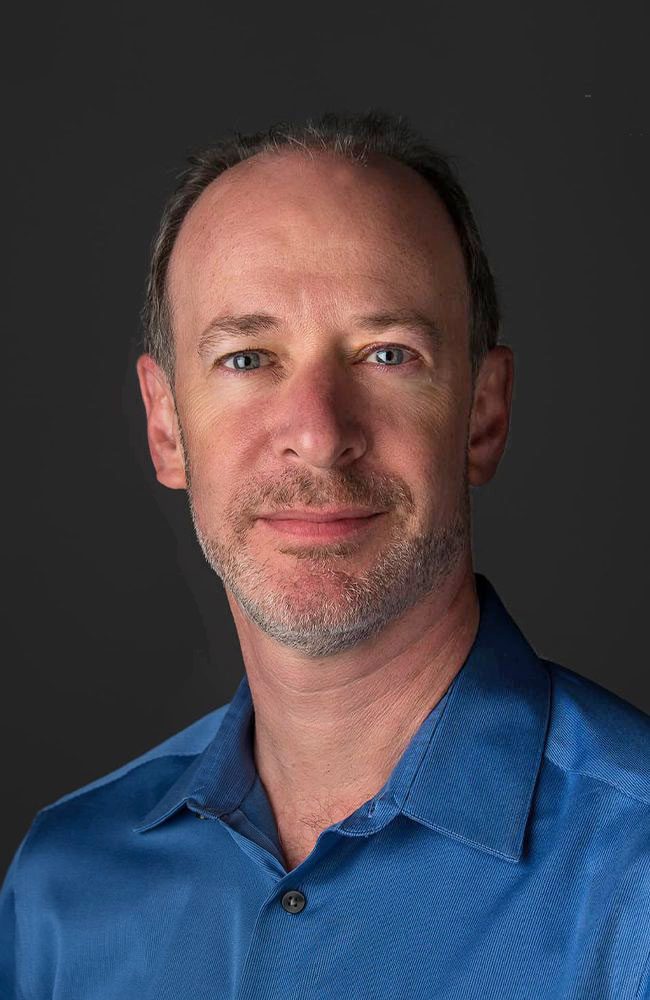
Founder / CEO
Josh Goldman
Josh Goldman has been on a 30-year mission championing human and environmental health through Climate-Smart Ocean Farming–and it all started in his college dorm.
Beginning in a solar greenhouse attached to his dorm, Josh developed some of the core innovations used globally in closed-containment (‘RAS’) aquaculture. At age 20, his ground-breaking research garnered support from The Pew Charitable Trust, which funded his efforts with a $400,000 grant.
After graduating from Hampshire College, he co-founded Bioshelters, Inc., one of the first commercial aquaponic farms that helped introduce tilapia to American consumers. But even as tilapia was succeeding, Josh became convinced that the right fish could play a significant role in improving human health while meeting the growing demand for protein and reducing the environmental impact of food production.
Seeking answers, Josh went on a three-year quest to find a better fish to farm. After trialing more than 30 species, he selected barramundi—a move cheered by author Paul Greenberg, who noted that it was “chosen specifically for its small ecological footprint and its natural tendency to adapt to human culture.”
Prior to co-founding Australis, Josh consulted globally to assist his clients to implement more effective marketing programs and improve the environmental performance of their farms. He completed a 3-year graduate program in leadership, strategy and design and holds multiple patents on water-reuse technologies and low-carbon shipping methods. Josh received the Institute of Food Technologies’ Boloffi award for innovation and a Seafood Champions Award in 2009 for sustainability.
Josh launched Greener Grazing in 2017, a groundbreaking initiative developing the knowledge pathway needed to commence ocean-based cultivation of Asparagopsis taxiformis, the red seaweed which can dramatically reduce methane emissions from ruminant animals when supplemented at >1% of their diet.
When he’s not steering the ship at Australis, he’s educating the public about the role of tropical aquaculture in the food system and has been a guest lecturer at Harvard, Stanford, Yale and Hampshire and elsewhere. He led the restoration and serves as VP and Treasurer of the Shea Theater Arts Center, Inc. in Turners Falls, MA and is a Board member of Seeds of Solitary Education Center. Josh has been featured in over 200 media stories, including a 2011 TIME cover story on the Future of Fish.
Founder / CEO
Josh Goldman
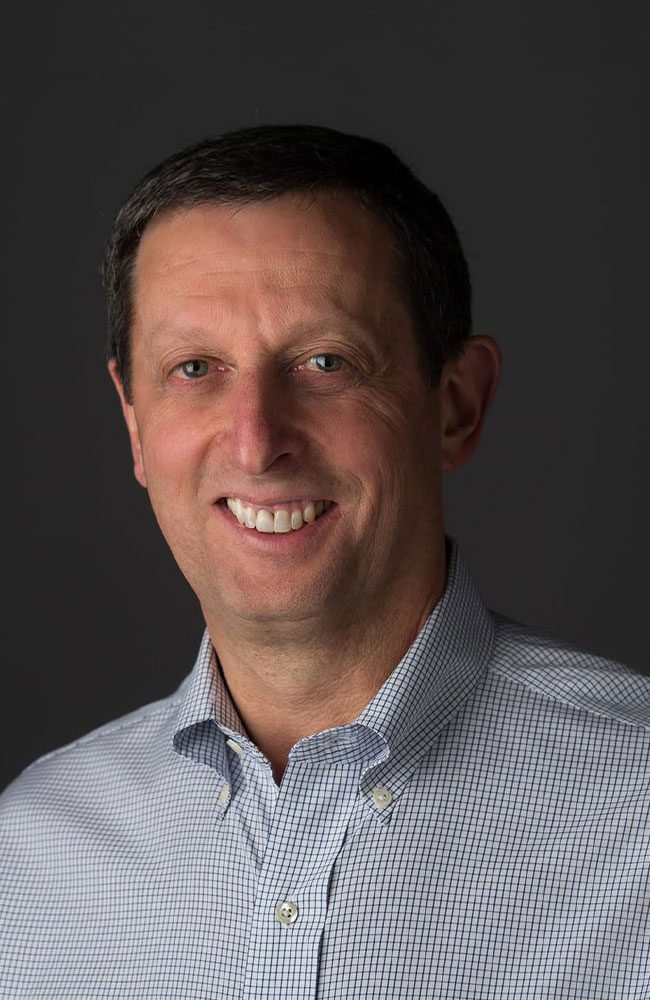
CFO
Jonathan Daen
Jonathan oversees our Finance, Legal, Operations and Human Resources activities. He’s the one who makes sure our people and investors are happy.
Jonathan came to Australis with over 20 years of operational experience in financial services, publishing, and consumer packaged goods. Before he set his sights on sustainable seafood, he was a partner at regional private equity firm. Since his first day at Australis in 2006, he’s been instrumental in growing our company from a promising young startup to an international player.
Jonathan has an MBA from Cornell University, a graduate degree in Chinese history from Georgetown, and a BA from Grinnell College. He lives in Western Massachusetts, where, with his wife, he has also managed to find time to raise a beautiful family of three. Jonathan still loves cooking delicious, healthy meals for his family, which is just one of the many ways he champions the true purpose of Australis every day.
CFO
Jonathan Daen

President
Jason Paine
Jason oversees our Sales, Marketing, and Business Development activities in the U.S. He’s leading the charge behind growing the consumption of Barramundi and The Better Fish® brand.
Jason has spent over 30 years in the seafood industry with a focus on building effective teams and business opportunities, launching new consumer ready-to-eat products, and managing import and distribution throughout the U.S. and Canada.
Prior to joining Australis, Jason was previously with Multi X, a renowned Chilean salmon farming company, for 22 years where he led the U.S. office through significant growth and highly successful ready-to-eat product launches.
Jason holds degrees in Aquaculture from Florida Institute of Technology and an MBA in International Business from the University of Miami. He currently calls Miami, Florida home where he lives with his wife Lucy, his daughter Taylor and son Jack.
President
Jason Paine
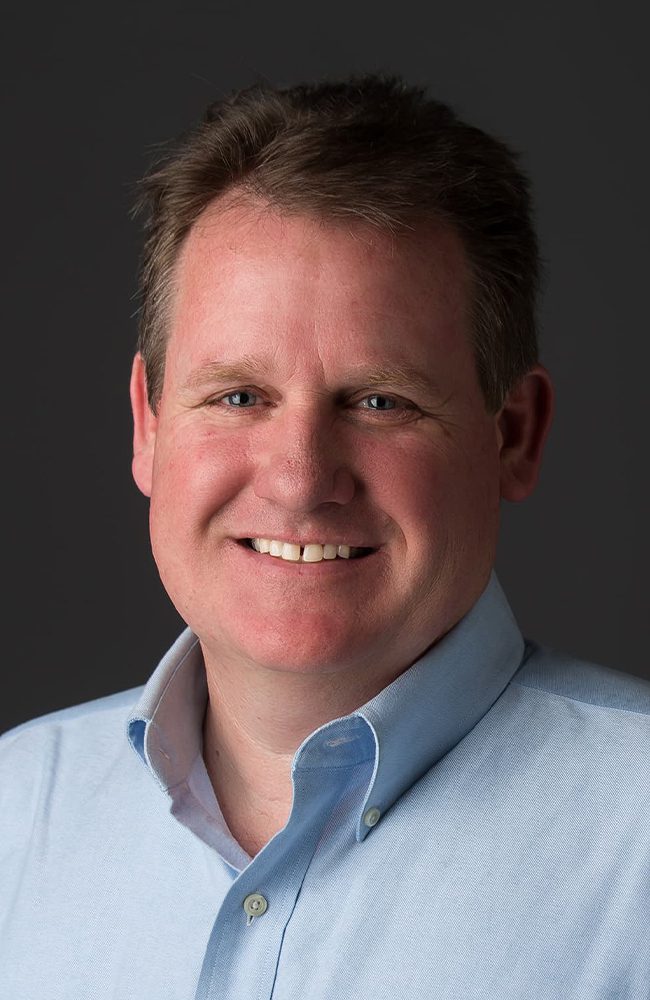
VP of Sales
Bill Shea
Bill Shea is committed to helping our customers increase revenue by bringing Australis’ great tasting, sustainably raised seafood into their retail establishments and foodservice operations.
For the past 30+ years, Australis VP of Sales Bill Shea has dedicated his career to many aspects of the food industry. His experience in sales, marketing, category management, and sales force management has spanned multiple channels and categories, including positions in manufacturing (Scott Paper, Ocean Spray), retailing (Shaw’s/Star) and distribution (Sid Wainer & Son). Today, he’s the go-to guy for our foodservice and retail customers looking to grow their businesses with The Better Fish® Barramundi.
Bill graduated with degrees in marketing and communication from Babson College and returned to his alma mater later in life to earn his MBA. He currently calls Boston home, where he lives with his wife and their Irish Jack Russell Terrier.
VP of Sales
Bill Shea
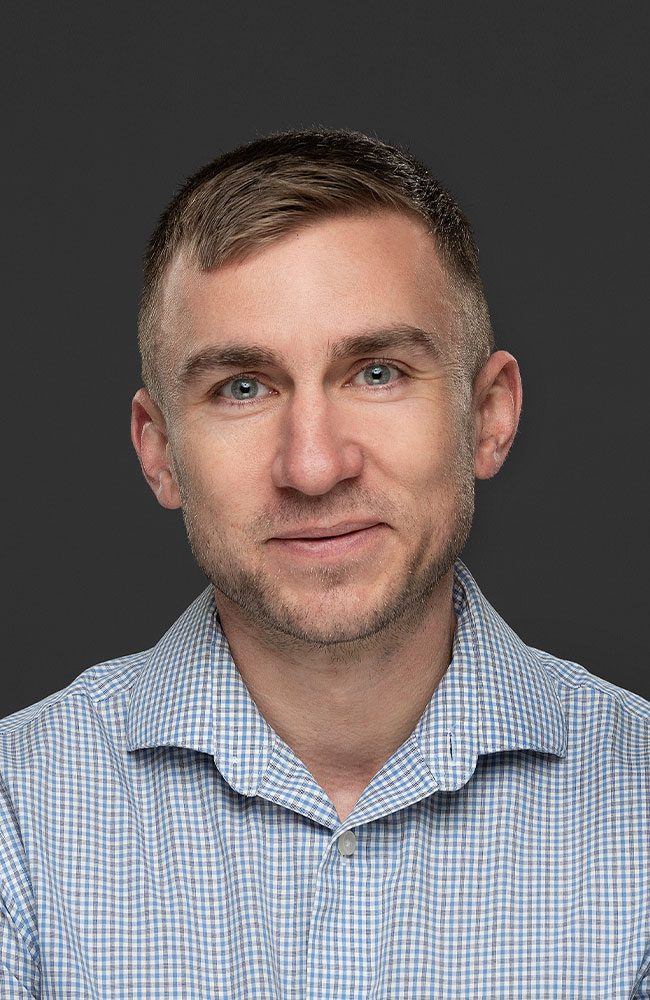
Director of Finance & Operations
Tim Tolin
Director of Finance & Operations
Tim Tolin

Sales and Production Liaison Manager
Trang Nguyen
Sales and Production Liaison Manager
Trang Nguyen
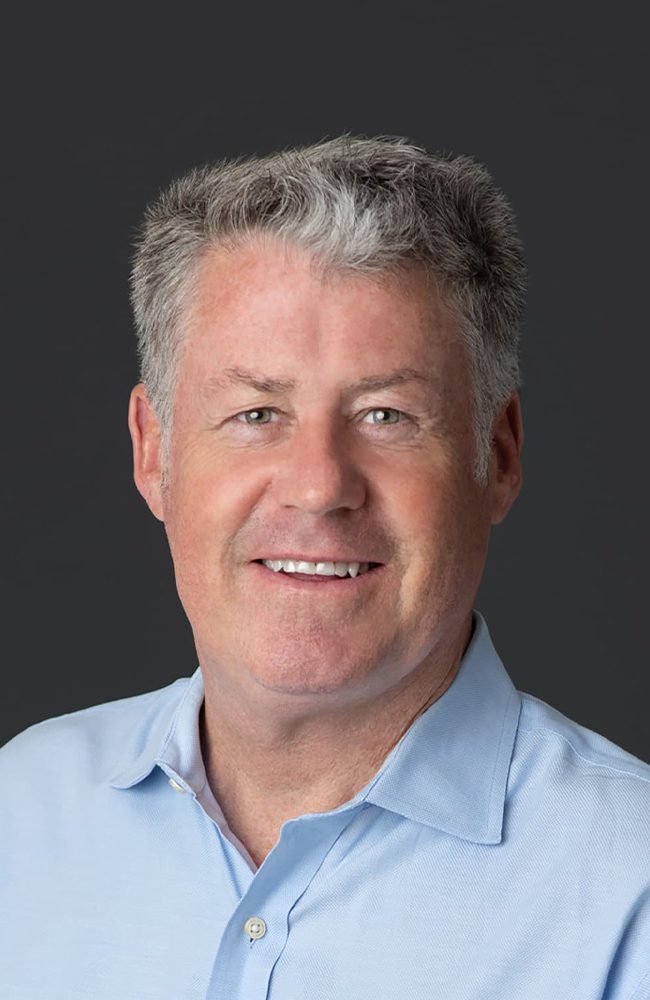
Director of Sales
Mark Prater
Director of Sales
Mark Prater
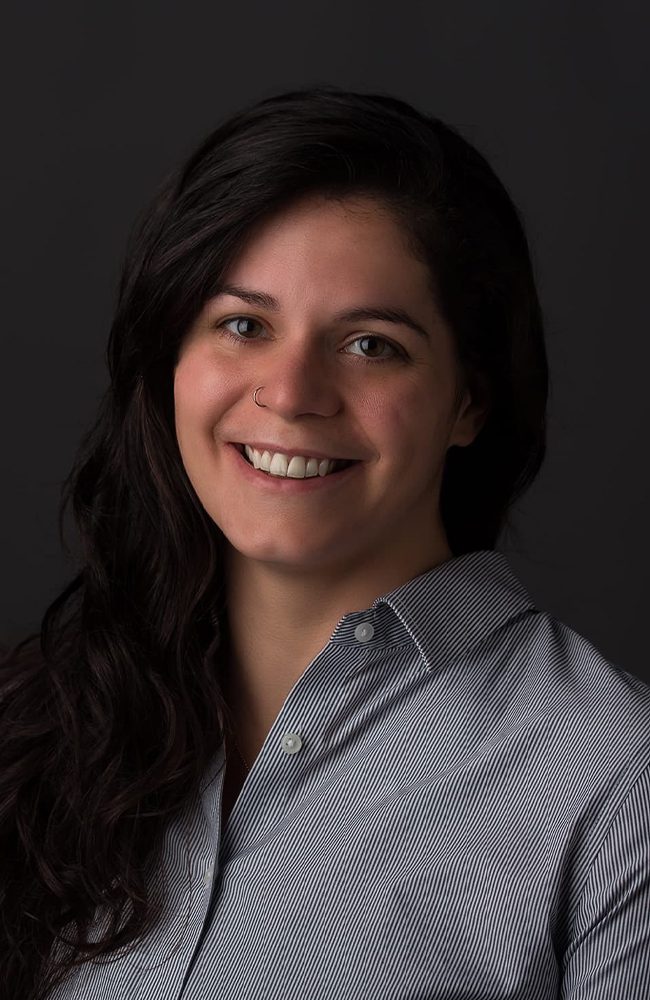
Senior Manager of Sales Operations
Rachael Dube
Senior Manager of Sales Operations
Rachael Dube
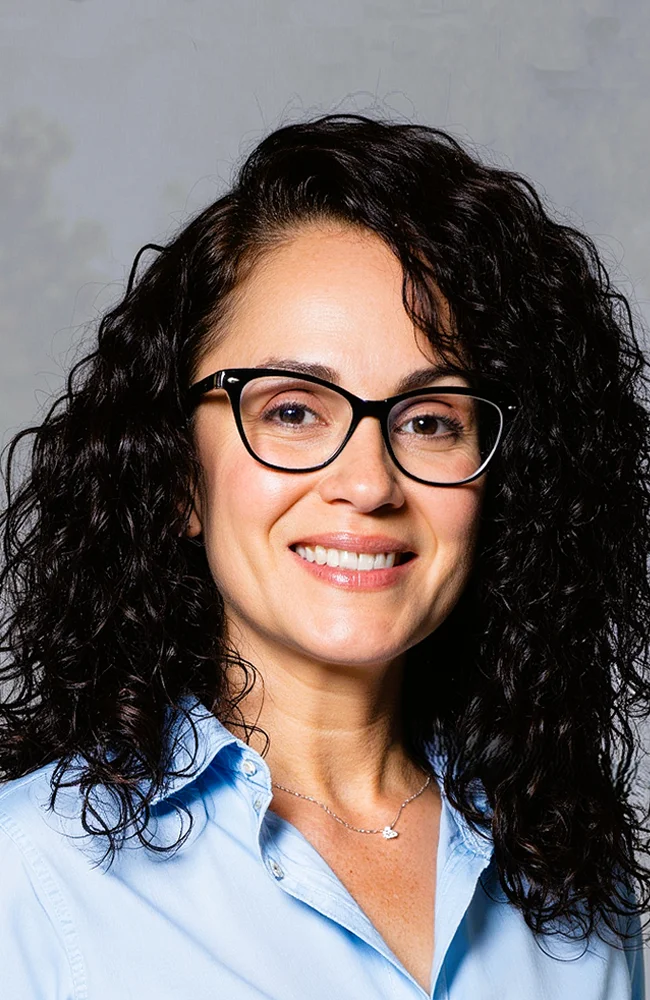
Sales Operations Manager
Liza Toro
Sales Operations Manager
Liza Toro

Senior Logistics & Supply Chain Manager
Erik Brandi
Senior Logistics & Supply Chain Manager
Erik Brandi
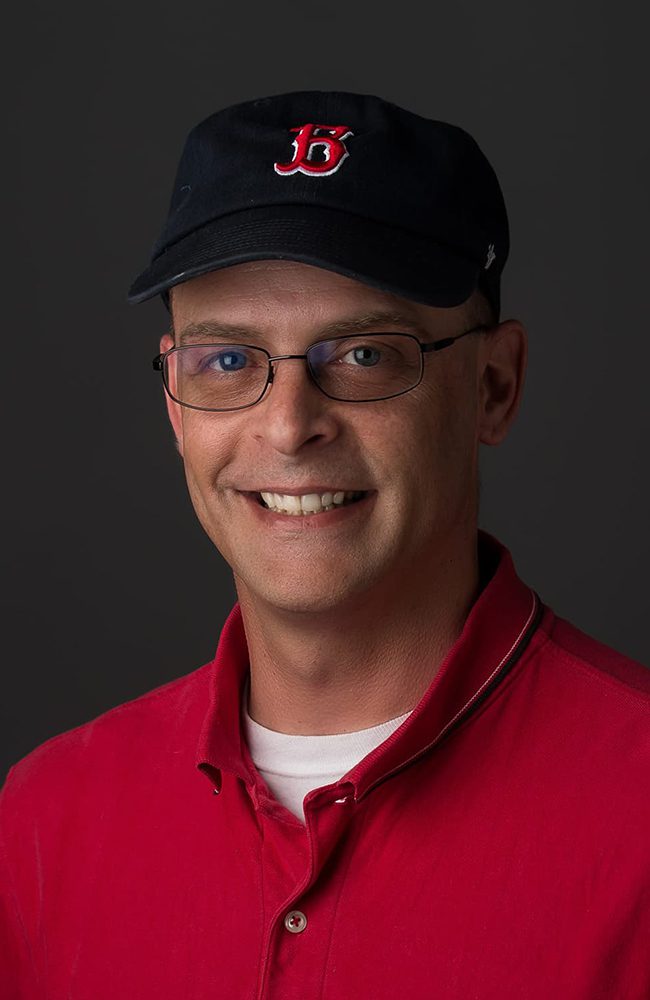
Customer Service / Inside Sales Manage
Peter Hyrne
Customer Service / Inside Sales Manage
Peter Hyrne
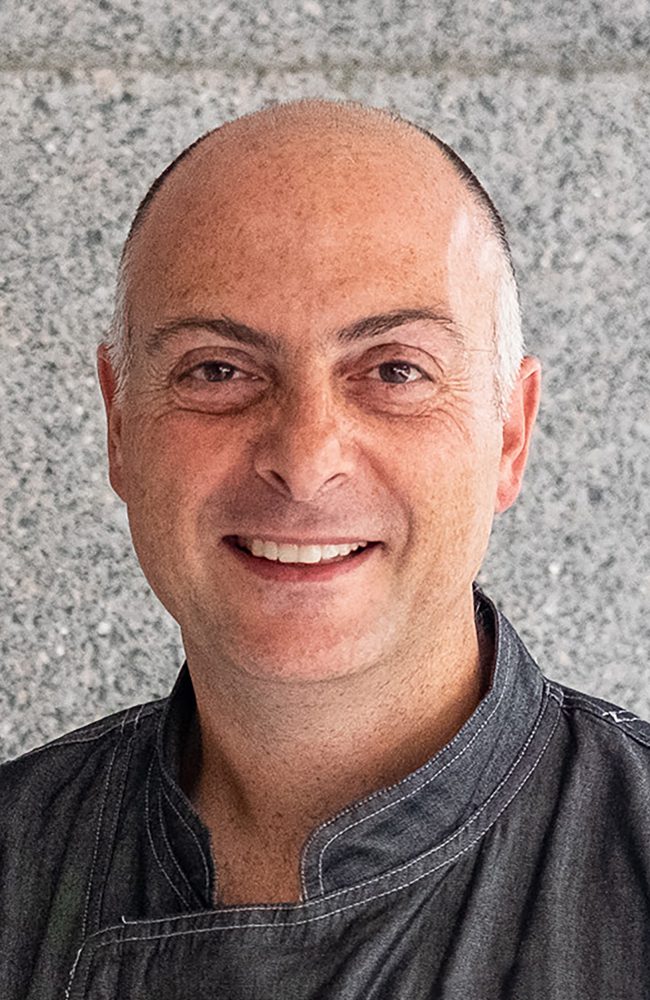
Corporate Chef
Kelly Armetta
Corporate Chef
Kelly Armetta
Find The Better Fish® Barramundi
Discover our full line of frozen Barramundi products at a retailer or restaurant near you!